 CattleScale
What weight should you wean beef calves?
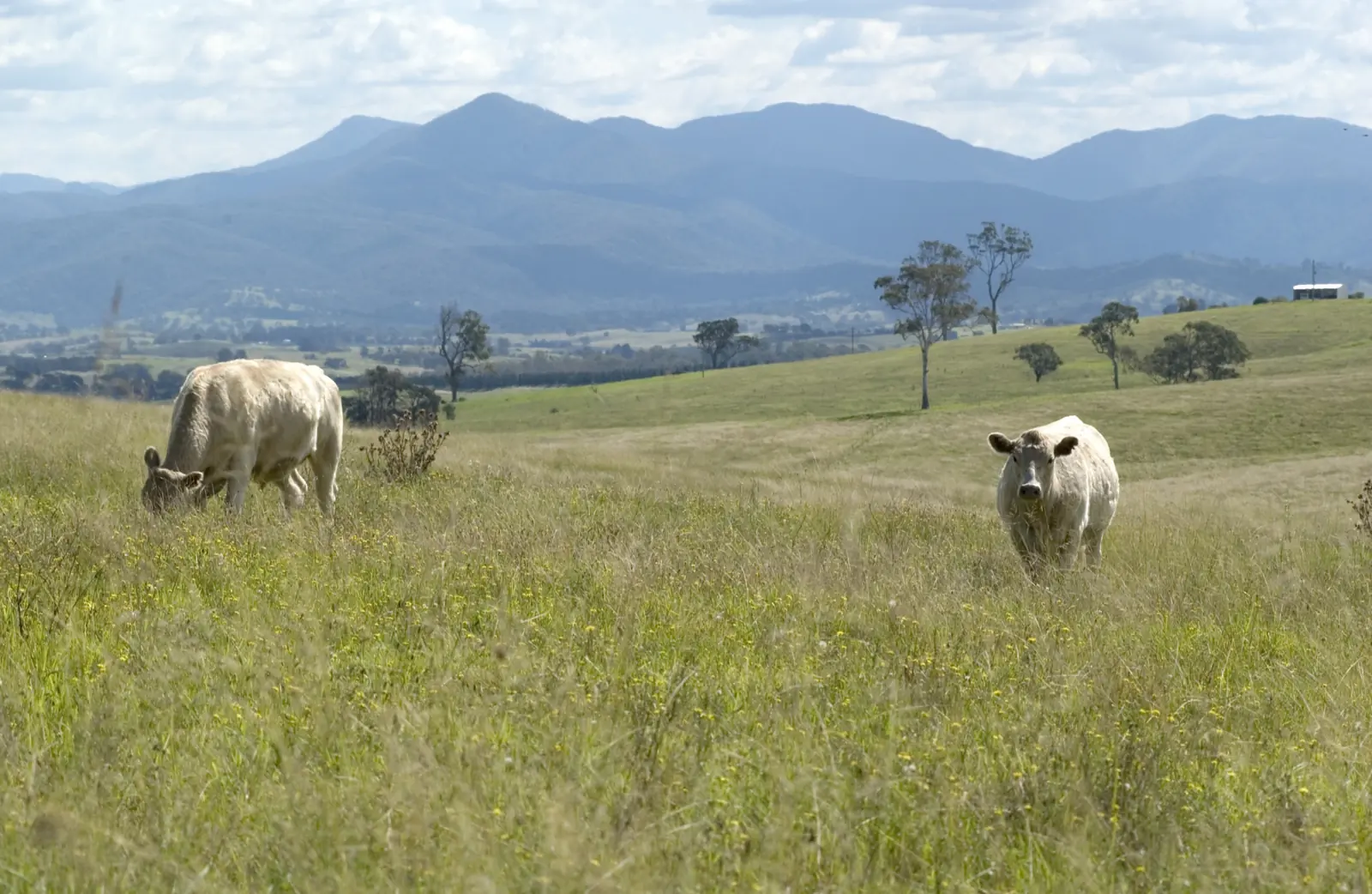
People ask for one weaning weight the way they ask for a date. The published guides answer with a pair: how heavy the lightest calf is, and how the cow is holding condition. South and north of Australia do not even use the same bands.
What weight do southern guides use?
More Beef from Pastures treats weaning age as a feed decision, and describes 6 to 9 months as the range in line with southern practice, as long as calf growth does not stall (Meat & Livestock Australia n.d.).
The same procedure gives three checks for going earlier than that:
- At least 100 days since the last calf was born, and the lightest calves in the group at least 100 kg. Weaning too early can mean calf deaths, calves that fail to thrive, and fewer saleable animals.
- No older than 6 months, depending on the season and the pasture.
- When cow condition is falling and reaches 2.5. Leave it later and the cow can lose enough condition that she is slower to get back in calf.
It says many experiments have weaned beef calves successfully at 100 days and from weights as low as 100 kg, if the feed is better than 11.5 megajoules of metabolisable energy per kilogram of dry matter and at least 15 per cent crude protein.
Agriculture Victoria puts the usual early wean at a similar place, and makes cow condition the first criterion. In most situations it says aim for calves at least 12 weeks old or around 100 kg, because by then they need less protein and they are used to grazing. If the cow's survival is the worry, you can go earlier, but calves under 80 kg are harder: they may need milk replacer and concentrates while the rumen develops. Calves with a dry, coarse coat are a sign they are not getting enough milk and may do better weaned onto good feed (Agriculture Victoria 2020).
After that, Victoria wants early weaned calves to gain at least 0.6 kg a day until they are over 250 kg, so they keep their later growth. The feed it specifies is at least 11 megajoules of metabolisable energy per kilogram of dry matter and 16 per cent crude protein, preferably 18 per cent. That is a higher protein floor than the MLA figure above. Use the higher one if you are feeding the younger, lighter calves Victoria is describing, and do not blend the two numbers into an average.
What do northern guides call a light weaner?
MLA's northern weaner manual ties the name to the calf, not to the muster date. Radical weaning is under 100 kg and under three months old. Early weaning is 100 to 150 kg, at about three to four months. Traditionally, calves are weaned between four and eight months (Meat & Livestock Australia 2025).
The manual's reason for going down to 100 kg is the cow. If weaning waits until she is in condition score 1 or 2, she can miss the next calf. Weaning calves of 100 kg and over is described as one tool, alongside tighter mating (Meat & Livestock Australia 2025).
Its feeding rules are by weight, not by a single "good" weaning weight:
- Under 150 kg: feed to gain. On poor pasture, urea blocks or licks will not supply enough protein or energy. These weaners need a high energy, high protein supplement.
- Over 150 kg: at least hold weight. They may need a protein supplement to gain, and on poor pasture they may need energy as well.
- Under 200 kg: do not let them lose more than 10 to 15 per cent of their weight, or they take longer to finish.
Most calves lose some weight from the stress of weaning and then pick it up if the feed is good. The manual also sets a later target for the heifers you keep: feed them so they can reach a mating weight of 340 kg at two years of age. How that joining weight is chosen is covered in what weight heifers should be at joining.
What has to be true on the day you wean?
The two southern guides do not give the same pen size. Agriculture Victoria says 4 square metres per calf as a minimum, rising to 6 to 8 square metres for calves approaching 150 kg (Agriculture Victoria 2020). MLA says 4 square metres a head for calves of 180 to 260 kg, and 2.5 square metres a head for early weaned calves of 100 to 170 kg, for 5 to 10 days in the yards (Meat & Livestock Australia n.d.). Near 150 kg those allowances do not match, so follow one guide rather than the tighter number from the other. Agriculture Victoria also says not to castrate or dehorn at the same time as an early wean, because weaning is already a stress (Agriculture Victoria 2020).
A weaner weight at the saleyards is a different question from the weight you choose to separate cow and calf. Sale averages by class are in how much does a cow weigh. How to turn two weighs into a daily gain is in cattle average daily gain.
Where does CattleScale fit?
CattleScale gives an estimated weight from a photograph, with a range around that estimate. An optional printed ruler sheet in the photo can make the reading sharper. It is an estimate, not a weigh scale. A photo will not tell you whether the lightest calf in the paddock has cleared 100 kg. Use it to see which calves look well behind the others, then put that draft on the scales before you decide to wean. Do not drench or sell off the estimate.
Frequently asked questions
What is a good weaning weight for beef calves?
There is no single one. Southern MLA practice is often 6 to 9 months, with an early option once the lightest calf is at least 100 kg and at least 100 days old (Meat & Livestock Australia n.d.). Northern MLA language calls under 100 kg radical, 100 to 150 kg early, and 4 to 8 months a traditional wean (Meat & Livestock Australia 2025).
Can you wean a 100 kg calf?
Yes, if the feed is good enough and the calf is old enough. MLA cites experiments at 100 days and 100 kg on feed above 11.5 MJ and 15 per cent protein (Meat & Livestock Australia n.d.). Agriculture Victoria says calves under 80 kg are harder and may need milk replacer (Agriculture Victoria 2020).
Should I wean on the cow's condition or the calf's weight?
Both. MLA says to wean when cow condition is falling through 2.5, and also sets a minimum calf age and weight (Meat & Livestock Australia n.d.). Agriculture Victoria says cow condition is the key criterion for an early wean (Agriculture Victoria 2020).
Do calves lose weight at weaning?
MLA's northern manual says most calves lose some weight from the stress, then recover if they are fed well. It says weaners under 200 kg should not lose more than 10 to 15 per cent, or they take longer to finish (Meat & Livestock Australia 2025).
References
- Agriculture Victoria (2020) 'Early weaning of beef calves', Agriculture Victoria. Available at: https://agriculture.vic.gov.au/livestock-and-animals/beef/health-and-welfare/early-weaning-of-beef-calves (Accessed: 10 October 2026).
- Meat & Livestock Australia (2025) Weaner management in northern beef herds. 2nd edn. Sydney: Meat & Livestock Australia. Available at: https://www.mla.com.au/globalassets/mla-corporate/research-and-development/program-areas/animal-health-welfare-and-biosecurity/mla-weaner-management-northern-beef-manual-2nd-edition-0925.pdf (Accessed: 10 October 2026).
- Meat & Livestock Australia (n.d.) '3. Wean early', More Beef from Pastures. Available at: https://mbfp.mla.com.au/weaner-throughput/3-wean-early/ (Accessed: 10 October 2026).
This is general information, not advice for your herd or a particular animal. Check with your vet or adviser before you change feeding, treatment, joining or transport.